
How We Treat
AllergyMD provides personalized treatment plans built around your goals — from medications and environmental controls to long-term immunotherapy and biologic therapies.
Treatment for allergic and immunologic conditions isn't one-size-fits-all. Dr. Lee will work with you to develop a plan that fits your symptoms, your lifestyle, and your goals — whether that's quick symptom relief, long-term immunotherapy, or advanced therapies for chronic disease.
Medications and Supportive Care
For many patients, well-chosen medications and environmental controls are the first and most effective line of treatment. Common medications include antihistamines (oral, nasal, and eye), nasal corticosteroids, asthma controller and rescue inhalers, and topical treatments for eczema. We'll match the right medications to your symptoms, adjust as needed over time, and combine them with environmental strategies — like reducing dust mite exposure or modifying your home environment — for better long-term control.
For patients with more severe or persistent symptoms, medications may serve as a bridge while we evaluate longer-term options like immunotherapy or biologic therapy.

Allergen Immunotherapy (allergy shots)
Subcutaneous immunotherapy (SCIT), commonly called allergy shots, gradually desensitizes your immune system to specific allergens. Treatment starts with small doses that increase over a buildup phase, eventually reaching a maintenance dose given monthly for several years. Allergy shots are highly effective for environmental allergies (pollens, dust mites, mold, pet dander) and for venom allergies, providing durable relief that often continues even after treatment ends.
Rush immunotherapy
Rush immunotherapy accelerates the buildup phase by giving multiple doses in a single visit, with premedications to reduce the risk of reactions. This shortens the time to reach maintenance dosing — useful for patients who need faster relief or have scheduling constraints.
Cluster immunotherapy
Cluster immunotherapy is a middle ground between traditional and rush schedules. It groups several doses into one visit but uses fewer premedications than rush, balancing acceleration with safety.

Sublingual Immunotherapy (SLIT).
SLIT works similarly to allergy shots but is taken by mouth — either as a daily tablet or as drops placed under the tongue. SLIT is a good option for patients who want immunotherapy without injections, though it's typically limited to single-allergen treatment rather than the multi-allergen approach used with allergy shots.
FDA-approved tablets
FDA-approved sublingual tablets are available for grass pollen, ragweed, dust mite, and tree pollen allergies. The first dose is given in the office for safety monitoring, and patients then take the tablet daily at home for the duration of treatment.
Customized drops
Sublingual drops can be customized to a patient's specific allergens and taken at home. While drops offer flexibility, they aren't FDA-approved and have less robust evidence supporting their effectiveness compared to allergy shots.

Venom Immunotherapy
For patients with severe allergic reactions to insect stings (bees, wasps, yellow jackets, hornets, fire ants), venom immunotherapy is highly effective at preventing future life-threatening reactions. Treatment follows a similar buildup-and-maintenance schedule as environmental allergy shots and dramatically reduces the risk of severe reactions to future stings.

Food Oral Immunotherapy (OIT)
Oral immunotherapy gradually increases the body's tolerance to a food allergen. Treatment starts with very small amounts of the allergen — often a tiny fraction of a serving — and slowly increases over months. The goal is to raise the threshold at which a patient would react, providing protection against accidental exposure.

Biologic Therapies
Biologics are advanced medications made from living sources that target specific parts of the immune system. They've transformed treatment for moderate-to-severe asthma, eczema, chronic urticaria, eosinophilic esophagitis, and nasal polyps.
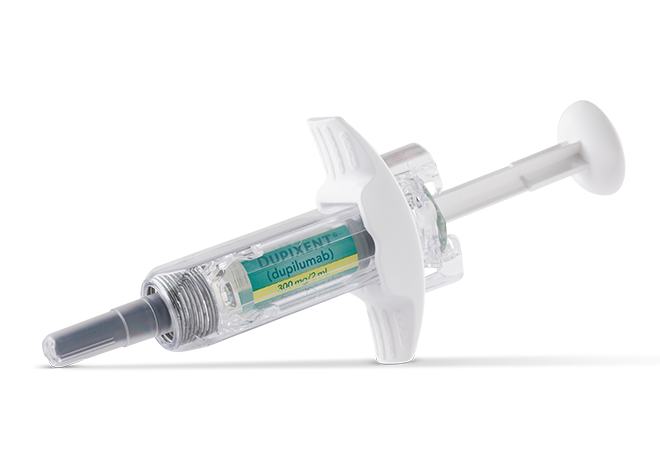
Common biologics we prescribe include Xolair, Dupixent, Nucala, Fasenra, Tezspire, and Adbry. These therapies are typically reserved for patients whose symptoms aren't well-controlled with standard treatments.
What to Expect from Treatment
Treatment is personalized
Your symptoms, lifestyle, goals, and history all shape your plan. There's no standard protocol that works for everyone — we'll build something that fits you.
Plans evolve over time
Allergy and asthma symptoms change with seasons, life stages, and exposures. We'll adjust your treatment as your symptoms evolve and as new options become available.
Most treatments are long-term
Especially for immunotherapy, the meaningful benefits come with sustained treatment. We'll set realistic expectations upfront so you know what you're committing to and why.
You stay in control
We'll explain options, tradeoffs, and the evidence behind our recommendations. You make the final decisions about your care, and we're here to support those decisions.
READY TO START FEELING BETTER?
Schedule an appointment with Dr. Lee or call our office for questions about your care.
Additional resources
For more in-depth information on allergy and immunology treatments, the following national organizations offer high-quality patient education materials:
American Academy of Allergy, Asthma & Immunology (AAAAI) — aaaai.org
American College of Allergy, Asthma & Immunology (ACAAI) — acaai.org
Food Allergy Research & Education (FARE) — foodallergy.org